


There are 3 factors to consider when determining if you are dealing with a natural and organic cosmetic product:
- The product's composition and the origin of its ingredients.
- Brand labels and certifications.
- Brands' environmental requirements.
Many brands are not very transparent about these elements, so it's normal to be skeptical. This is even more understandable since these are also skincare products.
Many cosmetic brands play with words and names to try and make their products appear organic and natural. We often hear about this "greenwashing," which makes choosing a brand or product complicated.
In this article, you will discover how to tell truth from fiction and thus, how to choose organic cosmetics suited to your needs.
The difference between an organic product and a natural product
There are relatively few differences between an organic product and a natural product. In fact, all organic products are natural products; the reverse is not true.
The difference lies in the meaning of the terms "organic" and "natural." For example, most organic labels refer to organic farming. Products that are not cultivated are therefore, by definition, not organic. Examples include water or minerals present in certain cosmetic formulas.
Natural products are products composed of few so-called "petrochemical" ingredients and controversial substances like alcohols and silicones, for example.
It is by studying the Cosmébio charter, a benchmark in the organic and natural cosmetics sector, that we learn more about the requirements for ingredient selection. For example:
- Organic products must be composed of 95% plant matter from organic farming.
- Natural products, 95% ingredients of natural origin.
In fact, it is easier to obtain natural cosmetic certification than organic cosmetic certification, as the constraints are very high.
Product composition
You need to ask the right questions about organic and natural cosmetic products.
The formula and composition of a product are the first things to consider. Indeed, no matter what the packaging or label tells you, it is by examining the components that you will know what to choose.
Most of the time, organic cosmetics are chosen because their formulas are shorter than traditional cosmetic products. The shorter the formula, the easier it is to justify an organic and natural approach. This is quite logical because the fewer ingredients there are, the more likely it is that the requirements for the proportions of organic and natural products will be met.
The first thing to consider is therefore the length of the ingredient list of your cosmetic products.
Labels and certifications
This is undoubtedly the quickest way to know whether you can trust a product or not. Labels and certifications are created for two reasons: to allow brands to display a commitment to more responsible cosmetic production and to reassure consumers looking for a product aligned with their beliefs.
There are many labels and certifications that prove the benefits of a cosmetic product, including:
- Ecocert
- Cosmebio
- Cosmos Organic
- NaTrue
- Nature & Progrès
- Slow Cosmétique
The job of these labels is to comply with a certain set of specifications, sometimes very strict. The objective is to control the quality of the products upstream so that you don't have to do it once you're in the aisle of your supermarket.
Brands' environmental requirements
An organic and natural approach demonstrates a deep respect for the environment. The brands that stand out most in the natural cosmetics field are those committed beyond mere product certification.
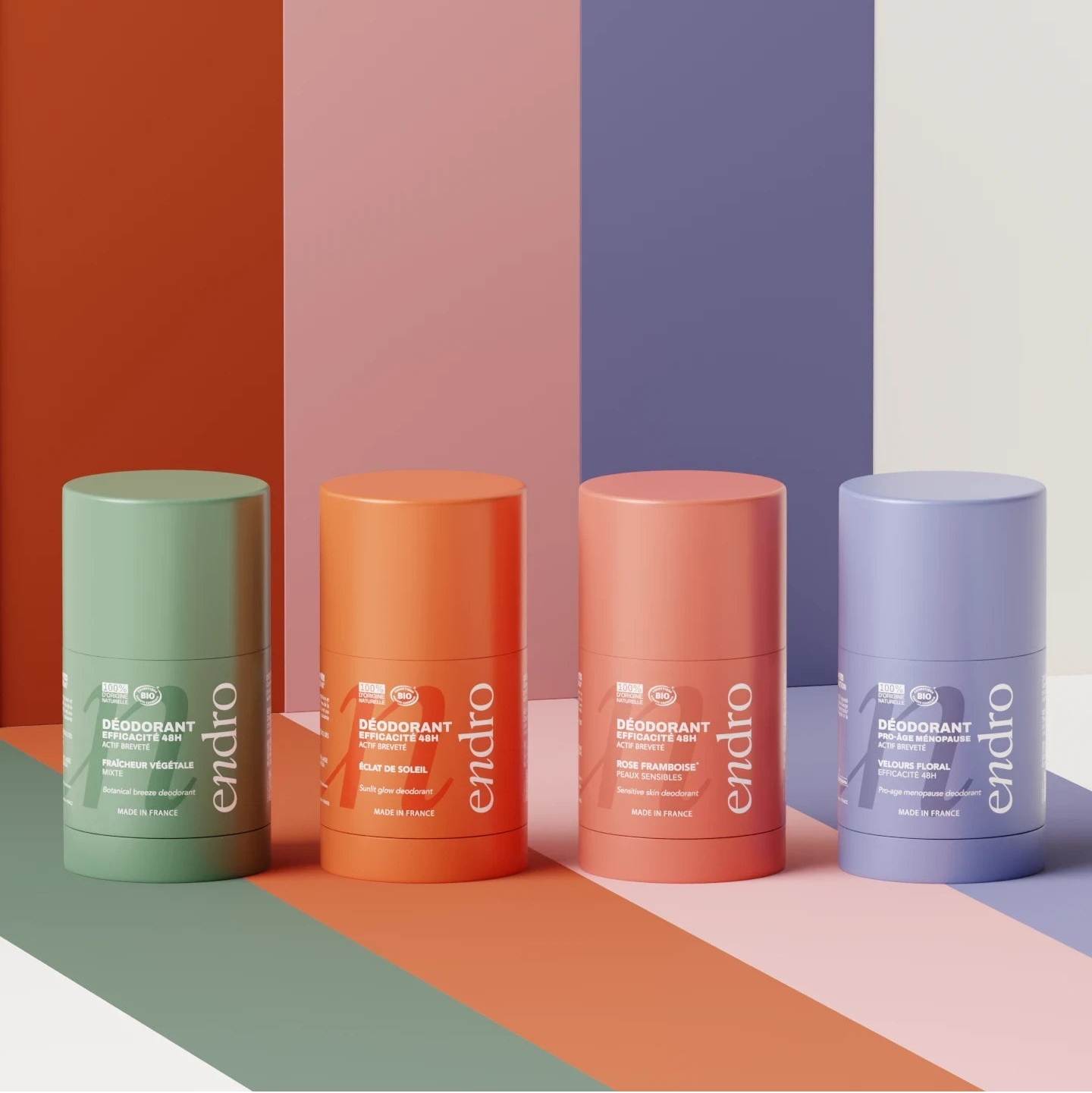
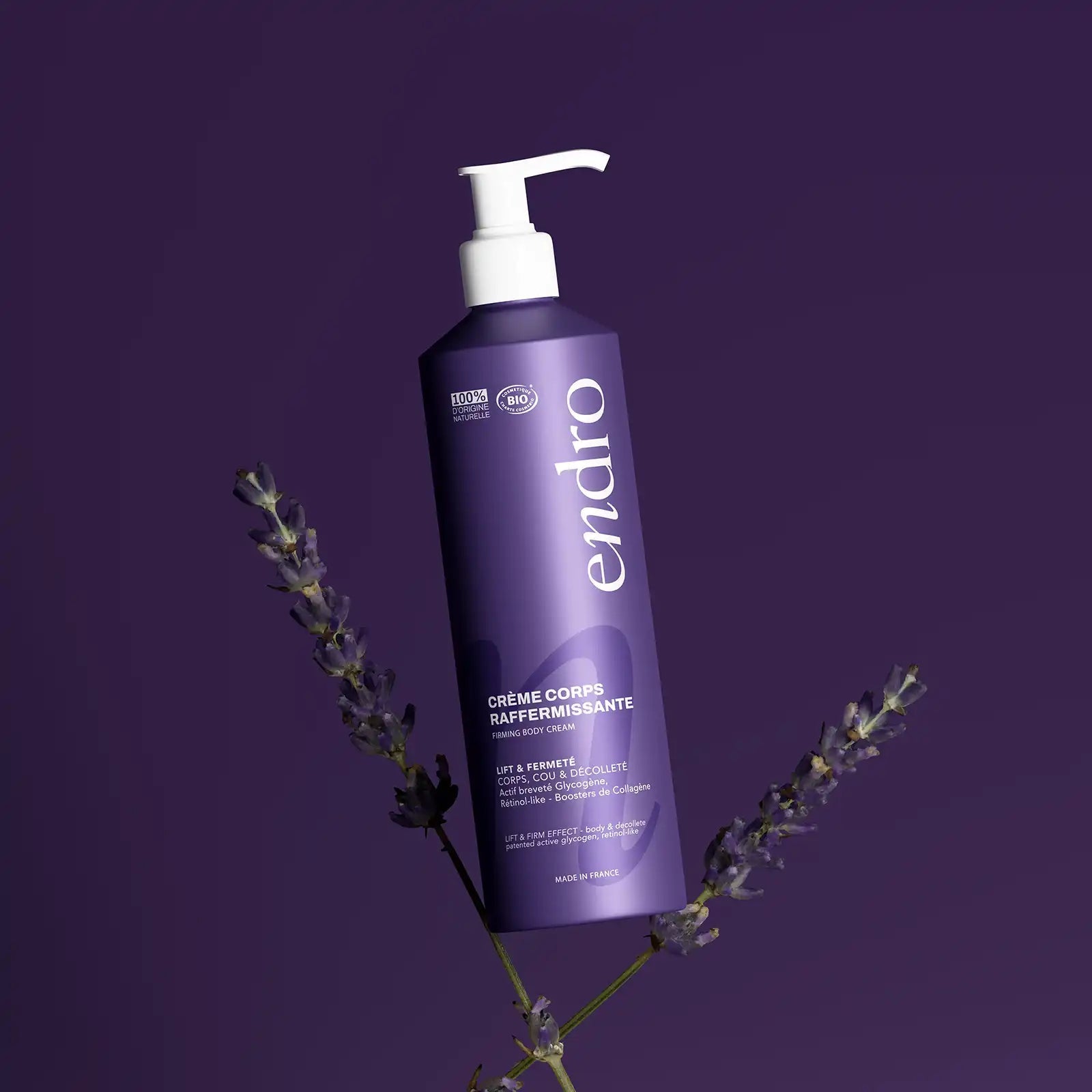
Endro Cosmétiques is a brand that is committed at all levels of the customer and user experience. The Breton cosmetics brand adheres to 3 unwavering pillars to ensure its consumers receive healthy, sustainable, and economical products:
- Production in Brittany: All Endro cosmetic products are designed, formulated, and produced in Lannion, Brittany. This ensures the lowest possible carbon footprint for its activities.
- Endro Cosmétiques' zero-waste approach has built the brand's reputation. Solid cosmetics and products to limit plastic use. Recycled packaging and short formulas to minimize the environmental impact of production.
- The rejection of petrochemicals and controversial substances is at the heart of Endro's beliefs. No more endocrine disruptors, silicones, alcohols, and other ingredients we no longer want to see in our bathrooms.



Leave a comment
All comments are moderated before being published.
This site is protected by hCaptcha and the hCaptcha Privacy Policy and Terms of Service apply.