

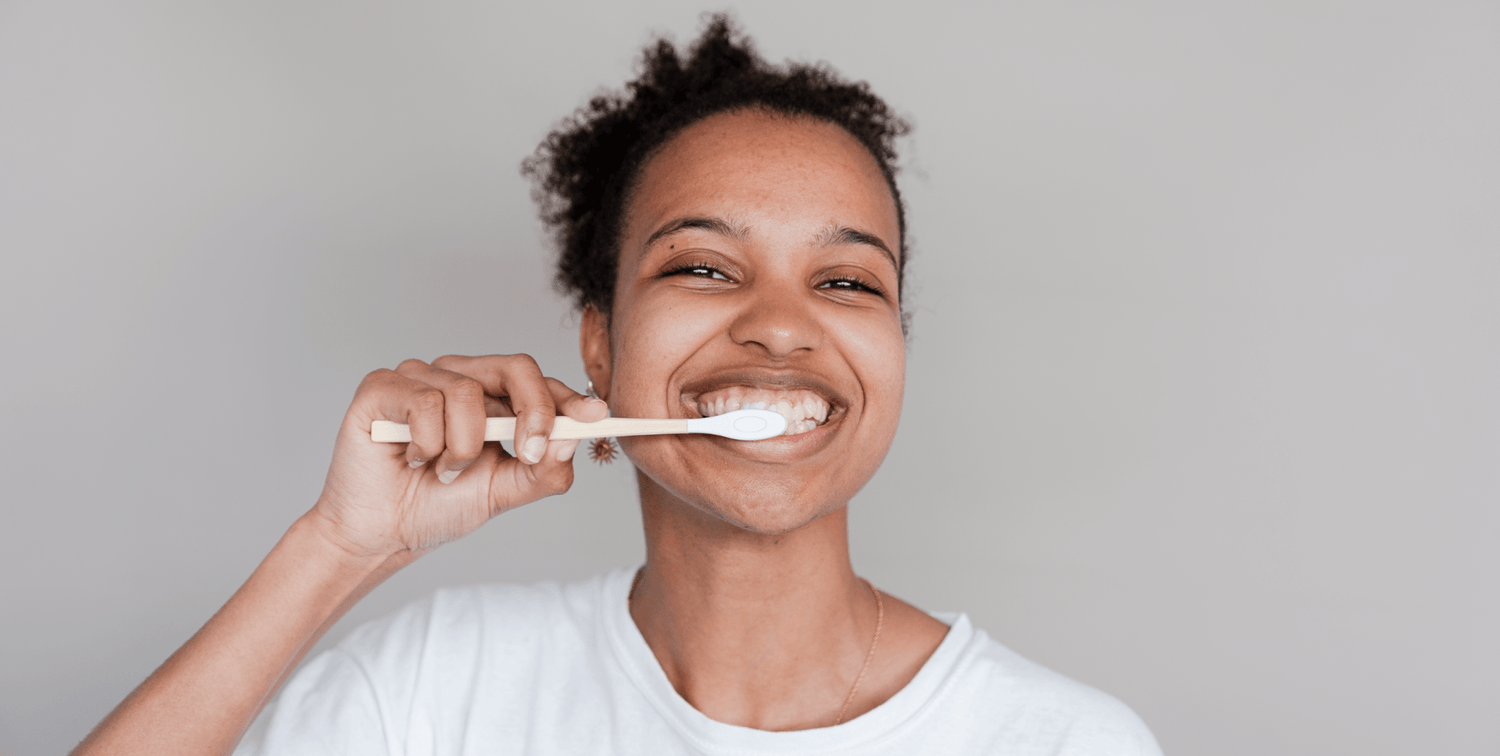
Between proven effectiveness and the desire for naturalness, the choice of toothpaste, with or without fluoride, is regularly debated. Dentists' recommendations, distrust of certain chemicals, the rise of natural alternatives... it's not always easy to know what to choose. So, should you opt for a fluoridated or non-fluoridated toothpaste? Don't panic, we'll explain!
Fluoride: a valuable ally for your teeth
Fluoride is a trace element naturally present in water, soil, and some foods. Used in toothpastes, it plays a crucial role in oral health. Its main benefits include:
- Strengthening tooth enamel: Fluoride promotes enamel remineralization, making it more resistant to acid attacks responsible for cavities.
- Cavity prevention: By strengthening enamel, fluoride helps prevent the formation of dental cavities.
- Reducing tooth sensitivity: Fluoride can also reduce tooth sensitivity by strengthening sensitive areas of the enamel.
Fluoride is widely recognized for its preventive role against cavities. The UFSBD (French Union for Oral Health) emphasizes that the incorporation of fluoride into toothpastes has significantly reduced the prevalence of dental cavities. It recommends precise dosages: 1,000 ppm of fluoride for children aged 6 months to 6 years, and 1,450 ppm for those over 6 years old.
The importance of controlled dosage
While beneficial in appropriate amounts, excessive fluoride intake can lead to undesirable effects, especially in young children. A German study revealed that parents often used too much fluoridated toothpaste for children under 2 years old, increasing the risk of dental fluorosis, a condition characterized by spots on the teeth. It is therefore crucial to follow usage recommendations, especially for young children who have not yet mastered mouth rinsing.
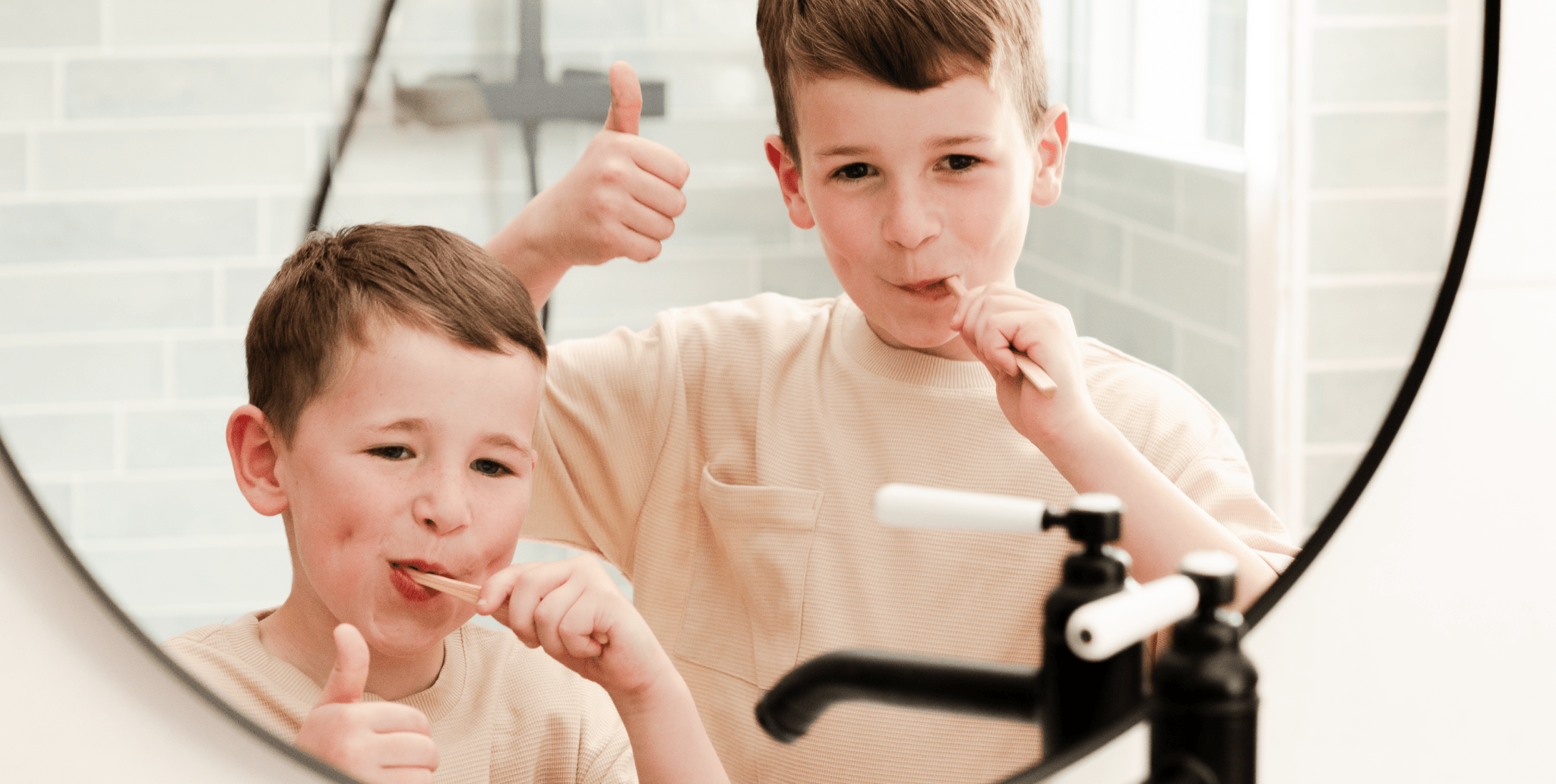
For children under 6 years old: Use a toothpaste containing 1,000 ppm of fluoride, in an amount equivalent to a grain of rice for those under 2 years old, and a pea for those aged 2 to 6 years.
Our tips for optimal fluoride use
- Choose a toothpaste adapted to your age and needs: fluoride needs vary according to age and oral health.
- Respect the recommended amount (source: ufsbd.fr): for an adult, a small dab of toothpaste is enough for effective brushing.
- Brush your teeth twice a day, morning and evening, without exception.
Consult regularly to detect any problems and adjust your routine if necessary.
What about fluoride-free toothpastes?
If you don't have any particular oral health problems, the fluoride-free option can be an effective natural alternative. Fluoride-free toothpastes often contain natural components such as xylitol, hydroxyapatite, coconut oil, or tea tree oil. These ingredients have antibacterial properties that help prevent plaque formation and maintain good oral health.
Fluoride-free toothpastes can be an interesting option for those looking for more natural products, wishing to reduce their exposure to fluoride, or adopting an oral hygiene routine that is more environmentally friendly. However, it is recommended to consult a dental professional to choose the product best suited to your specific needs.
With or without fluoride: how to choose?
It all depends on your personal needs:
- Are you prone to cavities or have specific needs? Opt for fluoride.
- Do you prefer natural products and have good hygiene? A fluoride-free toothpaste may suffice.
- For children: follow the recommendations and adjust the dosage.
👉 To go further, also discover our article: Which toothpaste to choose for your child? 3 essential tips for making the right choice.
Why choose a fluoridated toothpaste from Endro?
We have chosen to offer fluoridated toothpastes, formulated with 100% natural ingredients and certified organic. Their fluoride concentration strictly complies with current PPM (parts per million) standards, ensuring safe and appropriate use for the whole family.
Our gel toothpastes – Icy Mint for adults, Red Berries for children – ensure effective oral hygiene while limiting the risks associated with ingestion.
With their short formulas, without controversial ingredients, and their refillable format, they are part of a natural, responsible, and transparent approach.
Choosing between a fluoride and fluoride-free toothpaste is not a question of "good or bad", but of context and preferences.
It is a valuable ally for maintaining good oral health. It is essential to use it appropriately and controllably to benefit from its advantages while minimizing risks.
✨ The right toothpaste is above all the one that corresponds to your needs and values, the important thing remains regular brushing that is effective and gentle.
In summary, fluoride remains a key element in the prevention of dental cavities. However, its use must be adapted to age and individual needs, respecting the recommended dosages to avoid undesirable effects. Fluoride-free toothpastes may be suitable for some people, but their effectiveness is generally lower, and their composition must be carefully examined.


Leave a comment
All comments are moderated before being published.
This site is protected by hCaptcha and the hCaptcha Privacy Policy and Terms of Service apply.